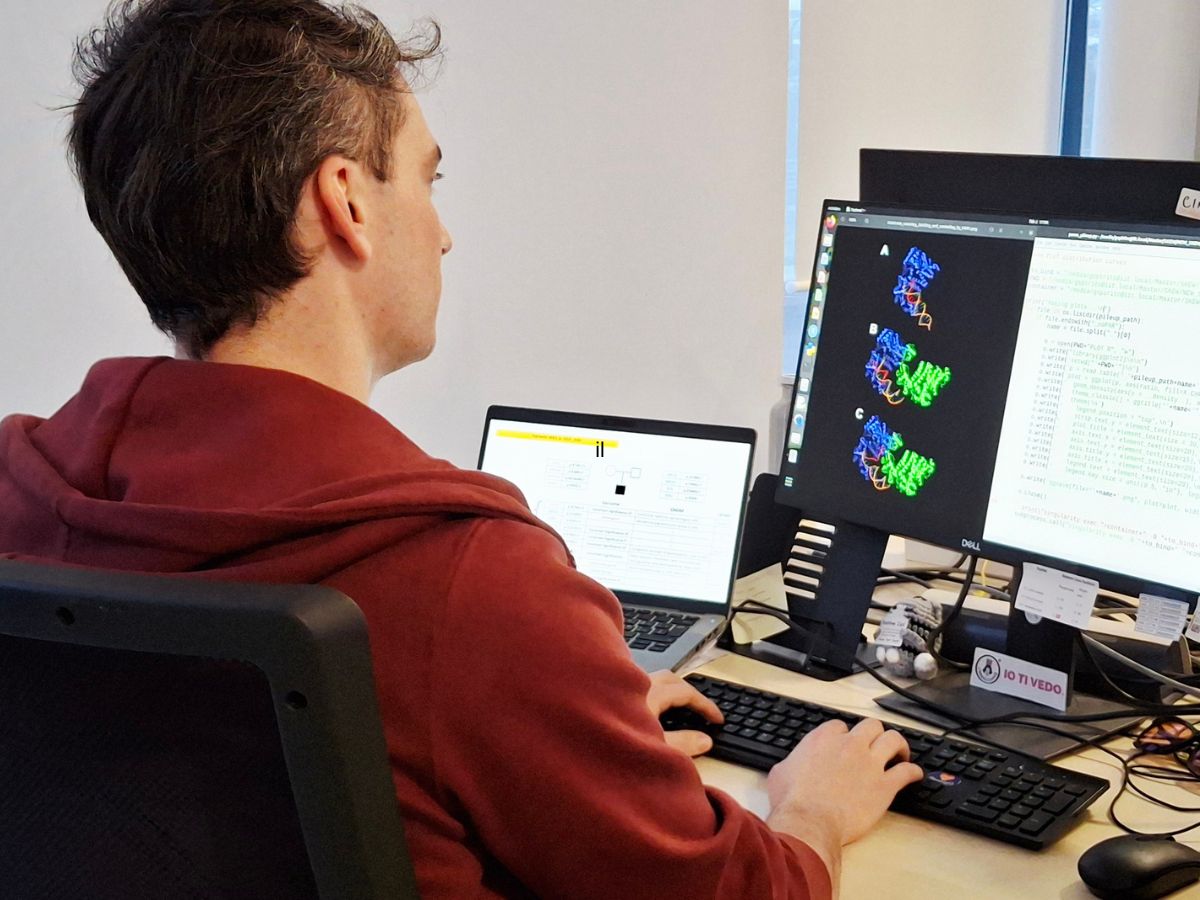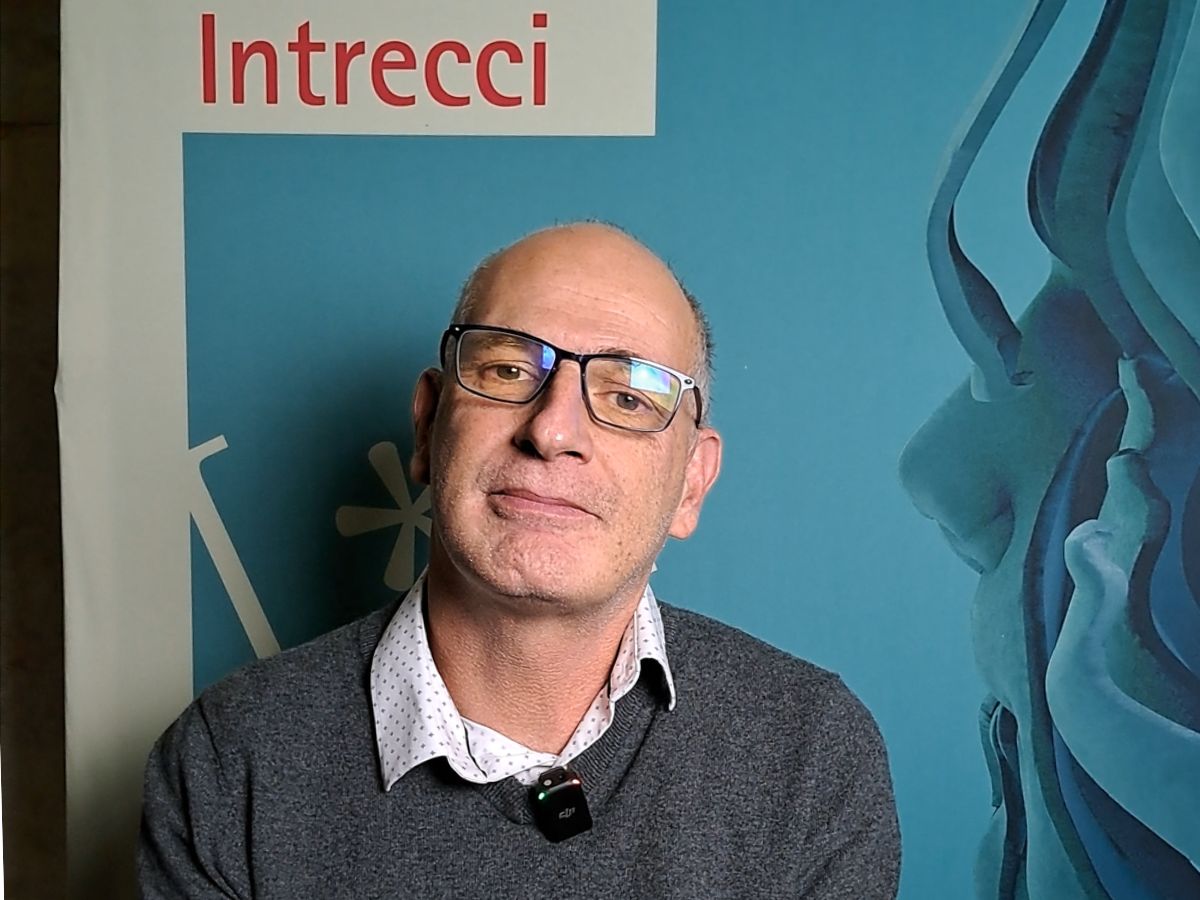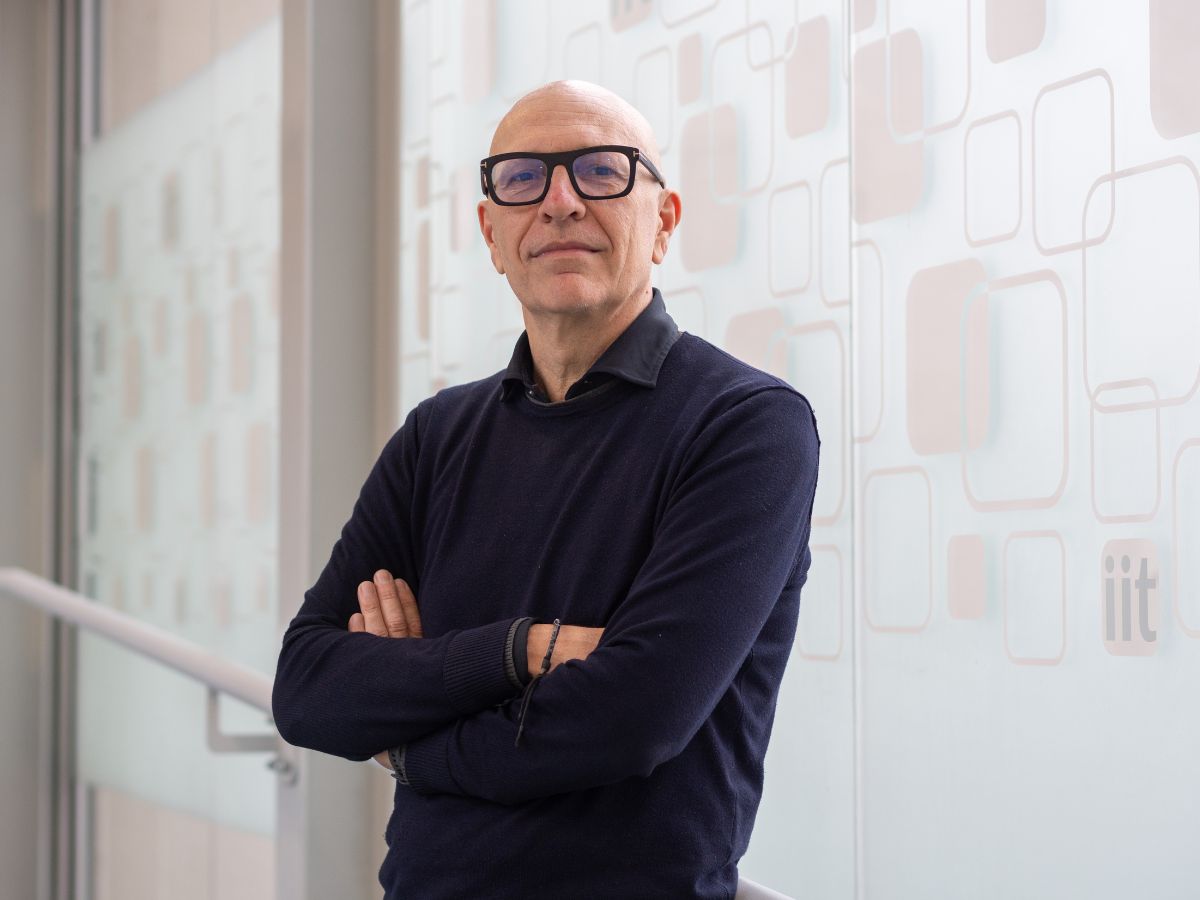
Fondazione Telethon has renewed its support for the research conducted by Alessandro Gozzi at the IIT Center in Rovereto on the rare genetic disorder known as Creatine Transporter Deficiency (CTD)
This is the second grant awarded to Gozzi’s team by the Foundation on this topic, in recognition of their scientific commitment to developing a future gene therapy.
Gozzi’s research program is among the winners of the first round of the second edition (2025–2027) of Fondazione Telethon’s “multi-round” funding call, dedicated to basic and preclinical research projects on rare genetic diseases. The call is open to non-profit public and private research institutions operating throughout Italy. In Trentino, two research groups will receive funding totaling €200,000; one of them is IIT.
Although the Orphanet network records only around 150 cases worldwide, Creatine Transporter Deficiency is a severe genetic disorder that affects brain function from early childhood. It primarily affects boys, causing intellectual disability and autism-like behaviors, and in some cases may lead to epilepsy. The disease is caused by a defect in a single gene (SLC6A8), which prevents the brain from properly utilizing creatine, a molecule essential for supplying energy to brain cells. Currently, there is no effective therapy.
Alessandro Gozzi, Coordinator of the Center for Neuroscience and Cognitive Systems at IIT in Rovereto (Trento), will lead the project together with Laura Baroncelli from the Institute of Neuroscience of the CNR in Pisa. Their goal is to develop a second-generation gene therapy.
In previous years, the team demonstrated in preclinical models that introducing a healthy copy of the defective gene into the brain can improve several symptoms of the disease. However, an important limitation emerged: if the gene is overexpressed, it can become harmful.
The innovation of the new study lies precisely in overcoming this issue. The vector designed by the research group to deliver the therapeutic gene into the brain allows the gene to be regulated by its natural control mechanisms, achieving expression levels closer to physiological ones and avoiding potential side effects.
Researchers will assess the safety and efficacy of the new gene therapy in experimental models, analyzing its effects on brain creatine levels and consequently on memory and behavior, both in the early and more advanced stages of the disease. The project will be carried out through collaboration among multiple centers, using rigorous protocols to ensure robust and reproducible results.
The ultimate goal is to provide the scientific evidence necessary to initiate a future clinical trial, paving the way for the first targeted therapy for this severe genetic disorder. In the long term, this approach could significantly improve the quality of life of people with CTD and their families, and serve as a model for the development of safer gene therapies for other rare neurological diseases.