A conversation with Katalin Karikó, Nobel Prize in Physiology or Medicine 2023
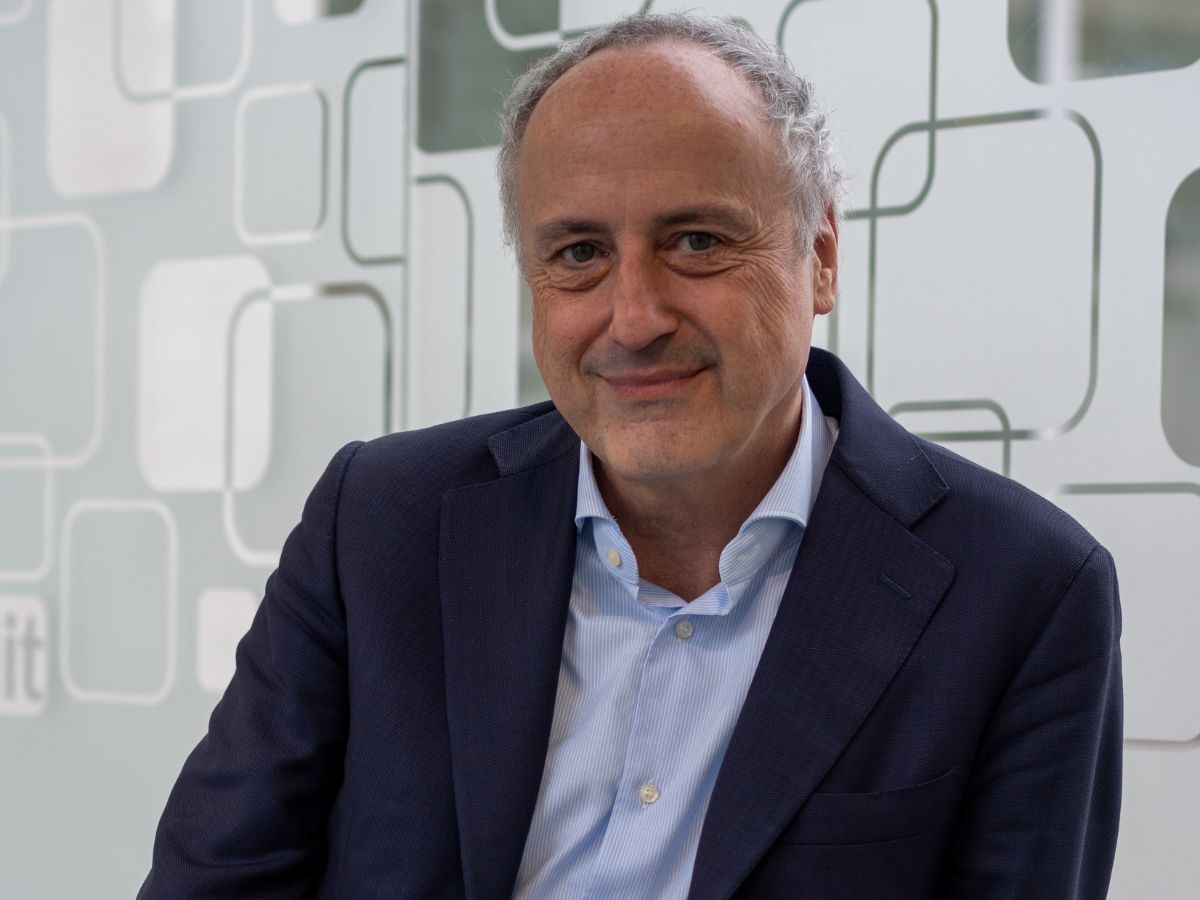
On 27 October, Katalin Karikó, Nobel Prize in Physiology or Medicine 2023, took the stage at the Genoa Science Festival to retrace, in a public lecture, her personal story and the long research journey that led to the development of messenger RNA therapies, the basis of the vaccines against SARS-CoV-2.
Shortly before the public event, in a reserved room where journalists from television, radio, and print media had gathered, we had the opportunity to meet the Hungarian scientist up close. What followed was an intense conversation focused not only on biotechnology and innovation, but also on the theme of trust: trust in oneself, in research, and in the ability of science to engage in dialogue with society.
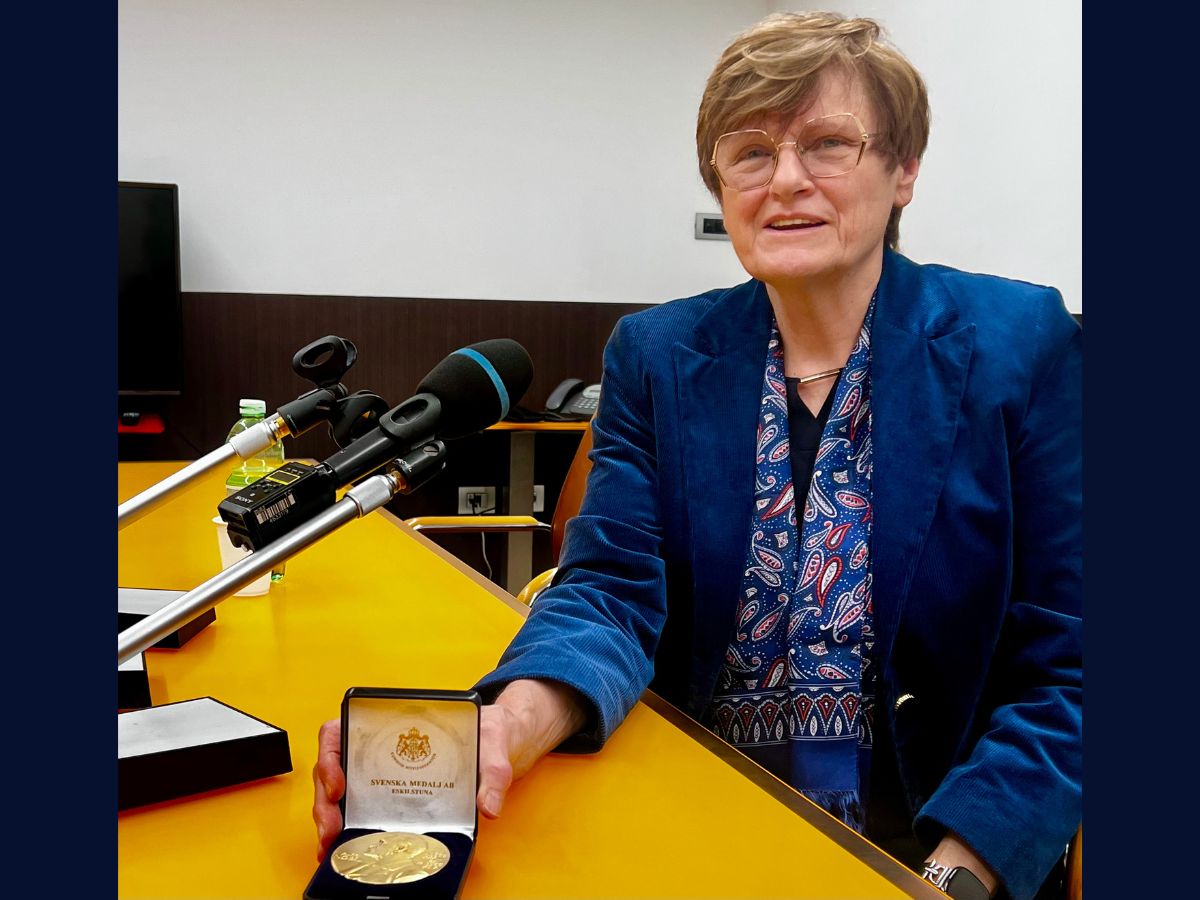
From the very first greeting, her natural ease and the warm confidence of someone eager to share a long story stand out. Before the interview begins, Karikó takes from her bag a replica of the Nobel Prize medal in Medicine golden, polished, surprisingly heavy. She places it on the table for us to see, with the same enthusiasm as a young student receiving her first academic award. It is a simple yet eloquent gesture: behind a profile of excellence lies, above all, a person.
As she speaks about her career, Karikó recounts a life marked by challenges and obstacles: her education in Hungary, her years of research in the United States (when her RNA studies were considered marginal and unpromising) and her move to Germany to work at BioNTech RNA Pharmaceuticals. It was precisely during her time in the United States that she developed a reflection on what, in 2022, came to be known as the “Karikó problem”: the difficulty within scientific funding systems to recognize and support truly innovative ideas when they are still in their earliest stages. For years, her mRNA projects were deemed marginal and of little practical use, and they persisted only thanks to her determination.
“If you don’t believe in yourself,” she says, “you lower the bar before even trying. Believe you can do it, and inspire others to take the leap. Because if you don’t, someone else surely will.” It is a conviction that has guided her entire path and proved decisive in the development of mRNA vaccines against COVID-19. For this reason, today she emphasises the importance of supporting unconventional and early-stage research: an investment in the future of science, which often advances thanks to the trust that researchers place in their own intuition, but which also requires the trust of society in order to exist at all.
Turning to the present, Karikó offers a perspective on the future of messenger RNA (or mRNA, the molecule essential for protein synthesis from DNA instructions), now considered one of the most promising frontiers in biomedicine. “There are more than 150 clinical trials underway worldwide using mRNA for disease prevention or treatment,” she explains. Applications range from infectious diseases (HIV, Epstein-Barr virus, tuberculosis, malaria) to cancer, with therapeutic vaccines targeting melanoma and pancreatic cancer, as well as cardiovascular diseases, genetic disorders such as cystic fibrosis, and autoimmune conditions like lupus.
As she speaks, Karikó moves seamlessly between technical data and personal reflections. It is here that a theme central to her thinking emerges: the lives of the people who do science. She stresses the importance of psychological and physical balance, and of ensuring that researchers can lead healthy and sustainable lives. She highlights the need for stronger social policies to support women in research, so that no talent should ever have to choose between career and family. This, she reminds us, is also part of the ecosystem required for science to grow.
The conversation then moves to science communication, a topic that has become central in the post-pandemic world. Despite the global success of mRNA vaccines, public trust in science has paradoxically declined. In several countries, including the United States, public debate has even influenced vaccination mandate policies, revealing a fragile relationship between scientific knowledge and public opinion.
For Karikó, this is evidence that researchers cannot remain on the margins of public discourse. “I think about what I could have done, or what we should have done,” she reflects, “and I believe that if we are in this situation today, it is because we scientists have not fully done our job. We did not speak to ordinary people, and often the public sees scientists as a distant elite. This is why I recognise the responsibility (mine as a scientist, and yours as journalists) to inform and educate the public, translating complex concepts into simple language, so they can truly understand them; because if you don’t understand something, you will inevitably fear it.”
After the pandemic, she notes, science has become more visible but also more vulnerable to simplification, distortion, and misinformation. Restoring public trust, from younger generations to adults of all ages, requires cultivating transparency, empathy, and the ability to give back to society a clear narrative capable of exposing what lies at the root of every discovery: curiosity.