At the annual EIC Pathfinder meeting, experts from across Europe discuss research, clinical applications, and industrial leadership in neurotechnology
Brain technologies, or neurotech, represent a rapidly growing field within the European Union, also driven by international competition with the United States and China. In the US in particular, several major technology companies are investing in the development of technologies capable of interfacing with the brain, such as implantable interfaces integrated with artificial intelligence systems. Among the best-known companies are Neuralink, co-founded by Elon Musk; Synchron, backed by investments from Jeff Bezos and Bill Gates; CTRL-labs, acquired by Meta; and Merge Labs, founded by Sam Altman.
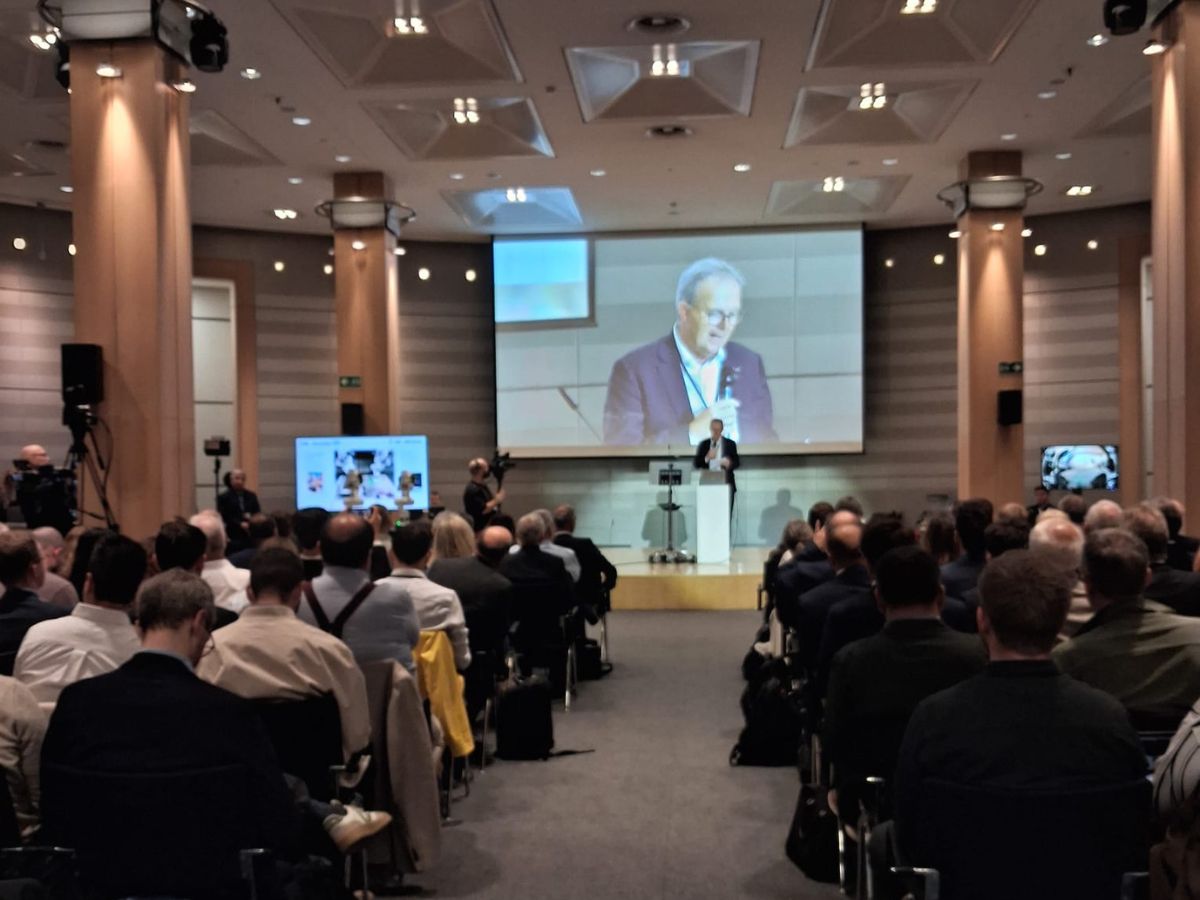
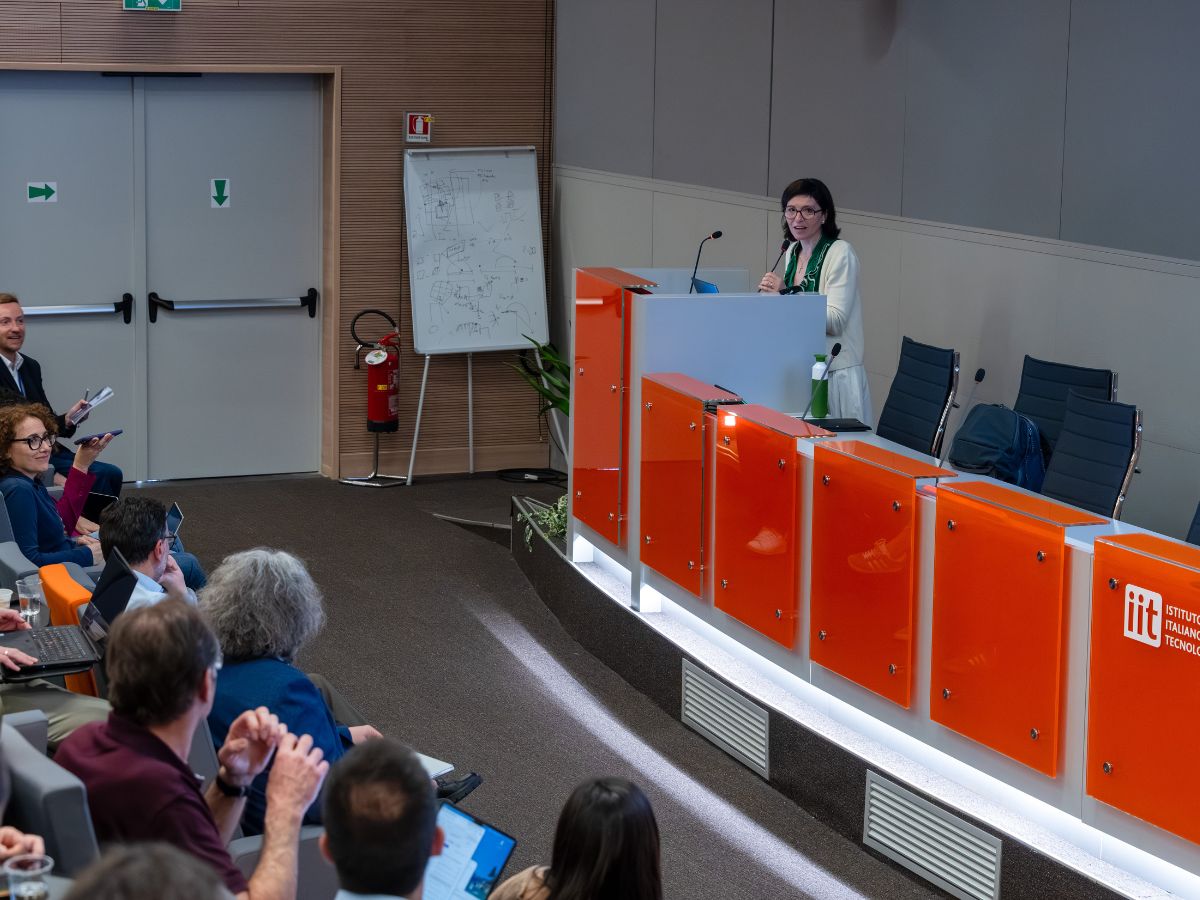
A few weeks ago, on April 29–30, the Italian Institute of Technology (IIT) hosted the annual meeting on the European neurotechnology strategy, bringing together researchers and experts from nine projects funded in 2021 under the EIC Pathfinder call “Tools to measure and stimulate activity in brain tissue,” for a total investment of approximately €37 million. The meeting was coordinated by Federica Zanca, Programme Manager at the European Innovation Council for MedTech and AI in healthcare.
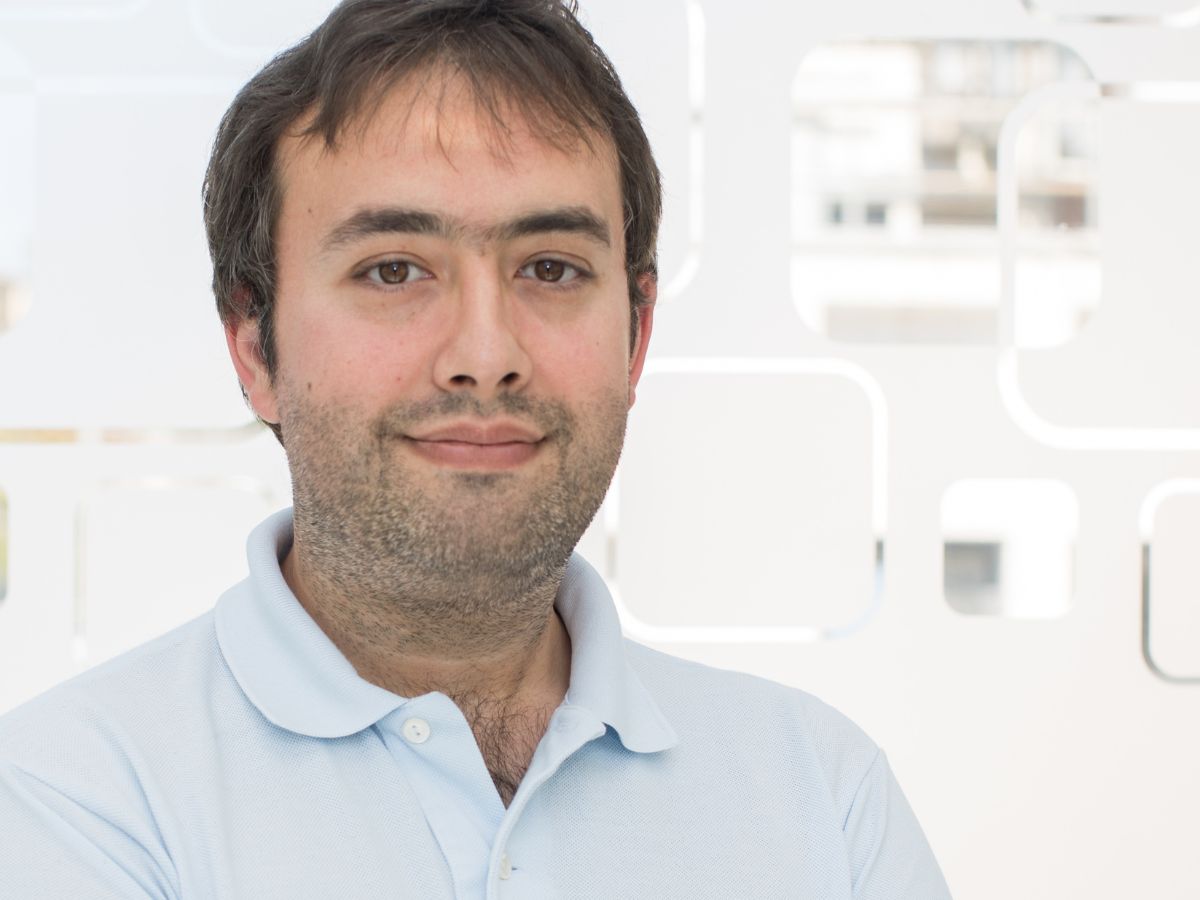
IIT took part in the meeting with Luca Berdondini, head of the Microtechnology for Neuroelectronics Lab and partner in the EIC project “CrossBrain,” coordinated by Nicola Toschi of the University of Rome Tor Vergata. Berdondini is also one of the founders of the IIT start-up Corticale, often described by the media as the “Italian Neuralink.”
“As researchers in the field of neurotechnology, we feel a strong responsibility to transfer the results of our developments in brain-machine interfaces to patients, transforming preclinical innovation into solutions capable of concretely improving the quality of life of many people. However, this path is still complex today in both Italy and Europe. It is a challenge that requires not only scientific excellence, but also a synergistic and multidisciplinary approach based on collaboration among researchers, neurosurgeons, regulatory bodies, investors, patient associations, and companies,” commented Berdondini.
Europe currently possesses advanced technological innovations in the neurotech field, particularly for healthcare applications related to the treatment of trauma, stroke, and neurological disorders. To support their maturation and market transfer, thereby generating economic value and social impact, the EIC actively funds research in this sector and is working to strengthen Europe’s global competitiveness by developing innovative solutions aligned with European values and the European regulatory framework.
Federica Zanca emphasized that “Neurotechnologies represent a strategic field for Europe, with significant potential to address neurological diseases that still lack effective solutions. Through this EIC Pathfinder portfolio, we have supported the development of radically innovative technologies to measure and modulate brain activity. The challenge now is to guide the most promising results toward preclinical and clinical validation, regulatory compliance, and sustainable pathways for market transfer. This requires a coordinated approach integrating scientific, industrial, and clinical expertise, contributing to the development of responsible and competitive European leadership in the neurotech sector”.
The event at IIT represented a key opportunity to review the progress achieved so far and discuss the next stages in the development of these technologies, with particular attention to their maturation, validation, and transfer toward clinical and industrial applications. These topics were addressed through group discussions involving researchers from different European countries, fostering the exchange of expertise and the development of a shared vision. The event also highlighted the importance of a coordinated portfolio-level approach capable of integrating complementary technologies — from brain activity recording to its modulation — in order to develop advanced next-generation systems.
“The EIC Pathfinder portfolio represents a strategic opportunity for us: to create a European network of excellence, enhance Europe’s scientific and technological potential, and contribute to building European industrial leadership in the field of neurotechnologies and brain-machine interfaces,” Berdondini concluded.