Interview with Malena Oliveros, CTO of Alkivio, on the occasion of the “OK Biobased” certification of the biocomposite AlkiPaper®
In 2022, from the research activity conducted within the joint laboratory between the IIT Smart Materials research group and Novacart SpA – an Italian multinational leader in the production of paper baking molds for the food industry – Alkivio® Srl Società Benefit was launched as a startup committed to the development and marketing of sustainable materials. Founded with an investment of approximately €2 million from Novacart, Alkivio is headquartered at the Garbagnate Monastero (Lecco) plant and, after just over three years of existence, is already present on the international market with one of its biocomposites.
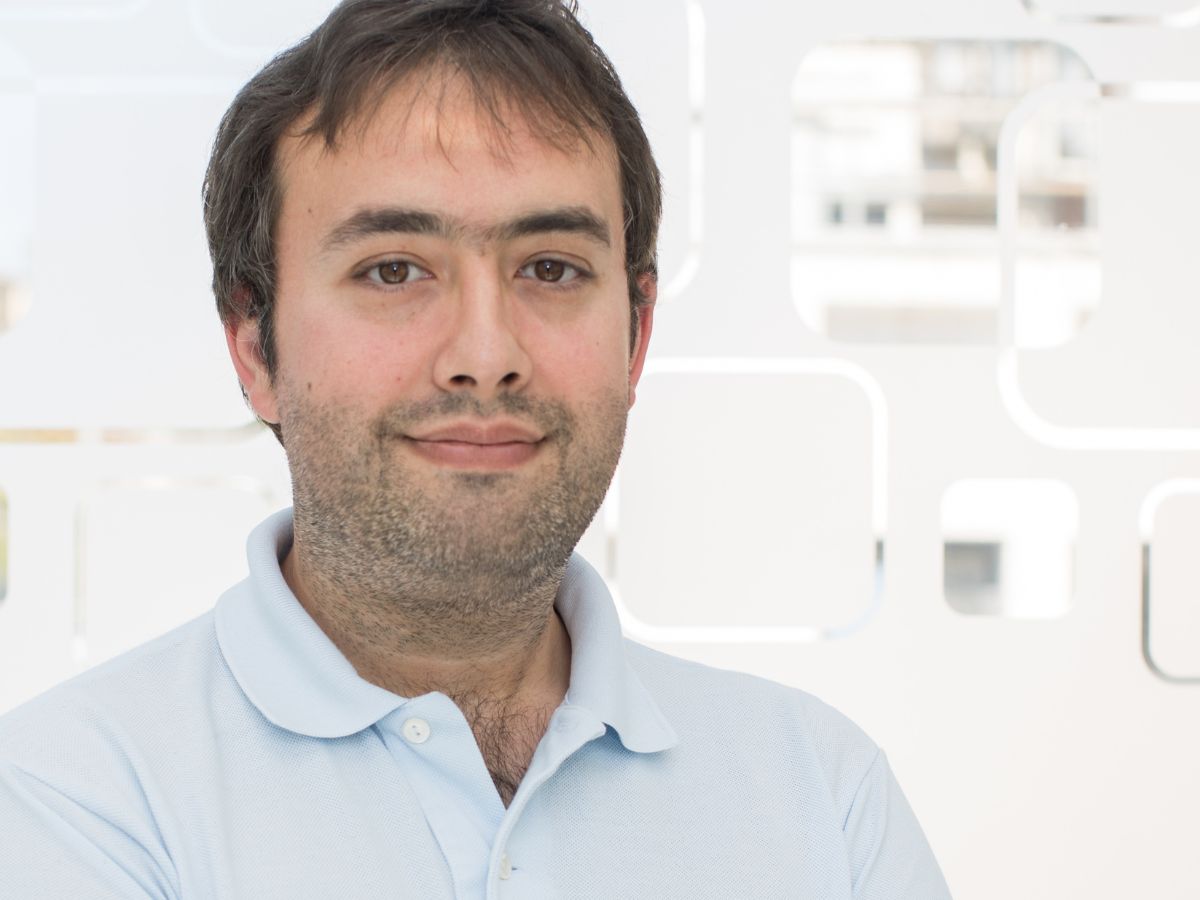
Among the startup’s key figures is Malena Oliveros, now CTO of Alkivio, a living example of how researchers can play a strategic role in industrial innovation. After having studied materials science in Milan and Spain, and a postdoc at the Politecnico di Milano, Oliveros joined IIT in 2014, already involved in applied research projects in an industrial context.
On the occasion of two formulations of biocomposites developed by Alkivio recently obtaining the OK Biobased certification released by TÜV Austria Belgium, we met Oliveros to find out how her scientific experience intertwined with that of the startup and with the challenge of bringing sustainable materials to the market.
How did the project that led to the creation of Alkivio come about?
It all started in 2014, when I joined IIT working on industrial research projects. I’ve always sought a concrete application of science. During that time, I developed a material for high-voltage gloves with a company operating in the electrical sector, which was later patented. It confirmed that innovation was what really motivated me. During my time at IIT, a joint laboratory with Novacart was established. The idea was to bring scientific tools and expertise directly into the company: a novel approach at the time. From that experience, Alkivio blossomed.
How was the integration between the research and industrial worlds?
It wasn’t easy. The language of research isn’t always straightforward for industry. But we understood that for the lab to function, we needed to build a daily dialogue, sharing not only the results but also the challenges. Thus, mutual trust and a true collaboration were born.
What were the first concrete developments?
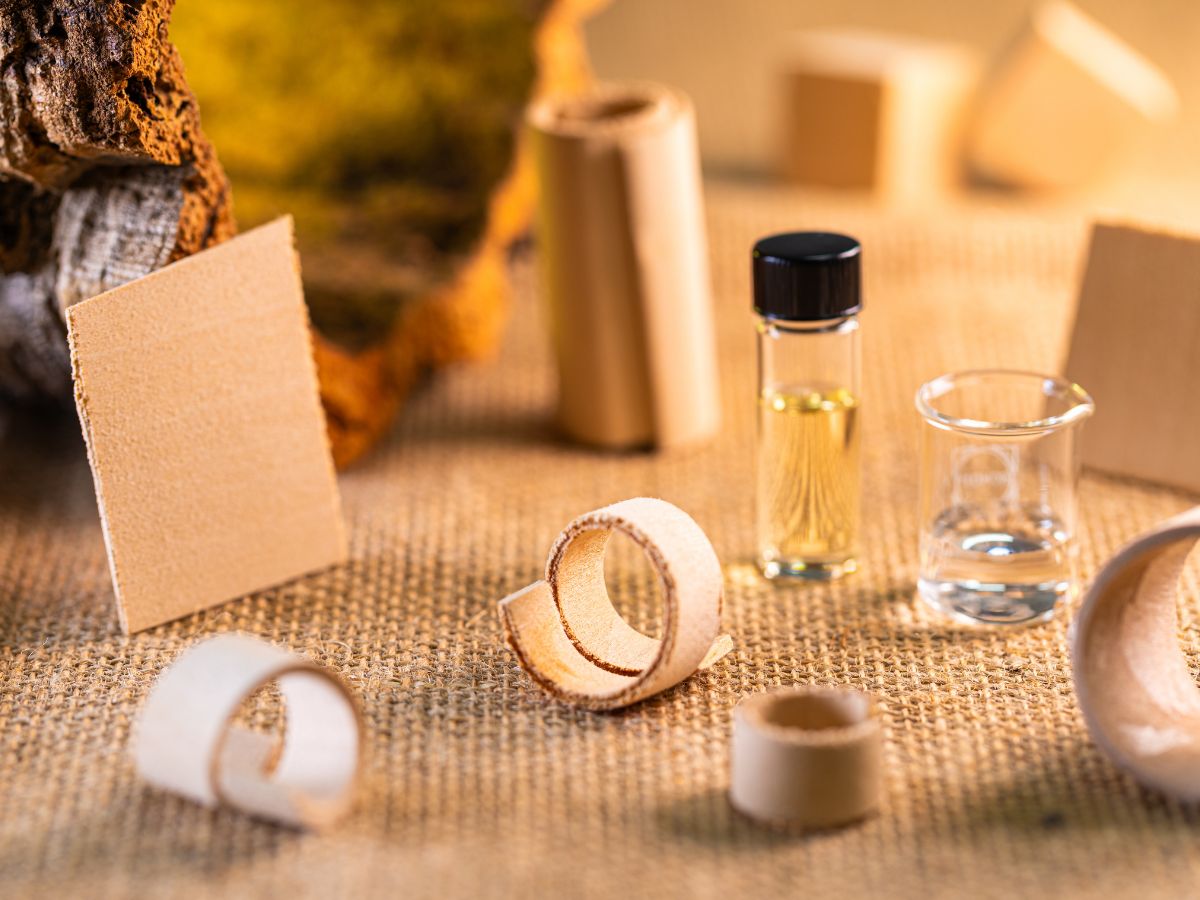
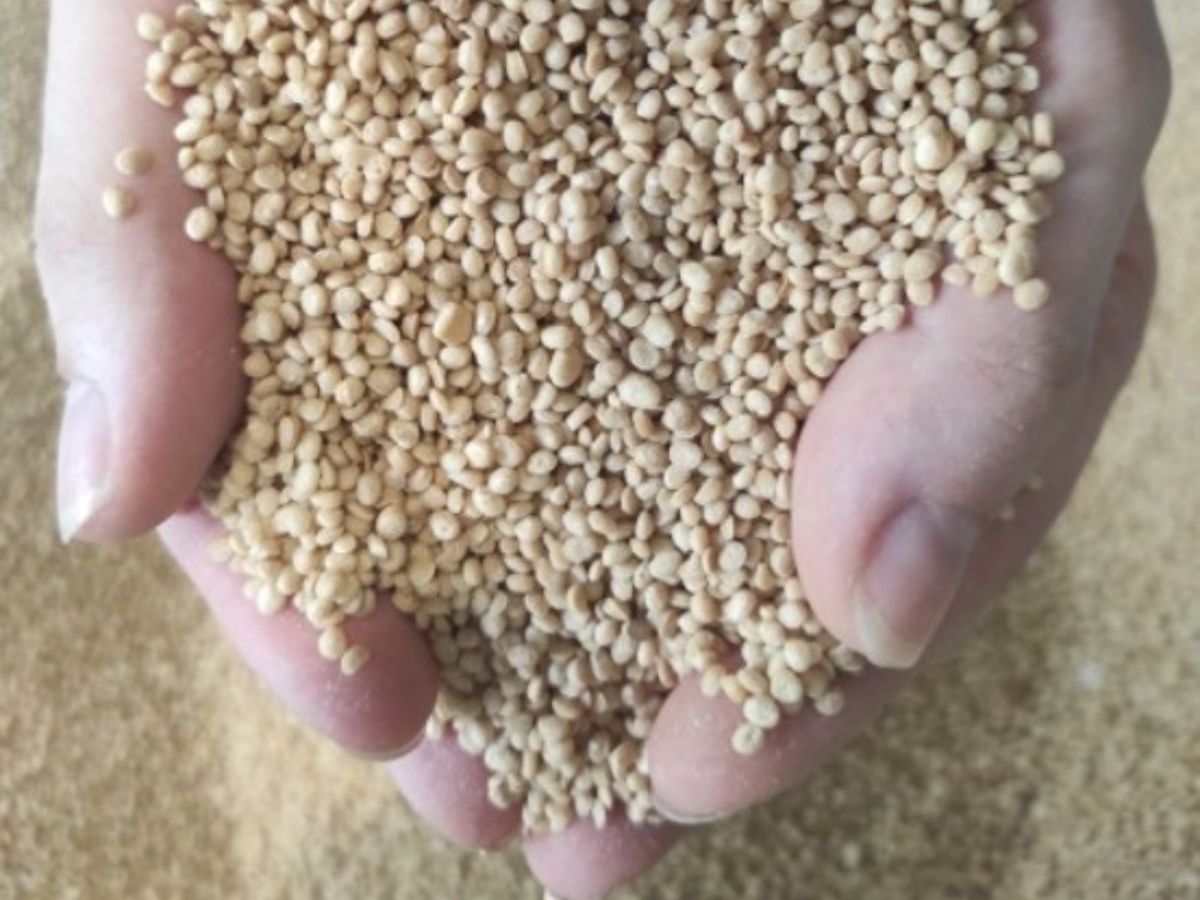
Our focus was on making paper processable like plastic, compatible with standard industrial processes. This led to the birth of AlkiPaper®, an innovative biocomposite. Novacart believed in the project and decided to invest, making us a benefit corporation that develops and produces materials designed to replace plastic in numerous sectors: from packaging to agriculture, from sports to design, and even personal care products.
Our materials have been of concrete interest to numerous companies – to name one, Novatex in the agricultural sector – and have been adopted by Alessi in design and everyday objects.
What makes a material like AlkiPaper® competitive ?
It’s a true alternative to plastic , designed to meet the sustainability criteria required today at the European level. More and more companies want to anticipate regulations and offer customers innovative and responsible materials. Our advantage lies in combining industrial performance with an environmental vision.
What role does the scientist have today in a context like yours?
I come from a materials science background, but also from a family entrepreneurial culture: my father was a very hands-on small business owner. This led me to seek “useful,” concrete science. At Alkivio, I experienced firsthand the challenge of translating the language of research into that of business. This is where the role of the Scientist 2.0 comes from: someone who knows how to navigate between the lab and the company, navigate regulations and certifications, and guide technological choices. It’s an essential role for achieving true innovation and avoiding wasting resources. Keeping our research and development spirit alive is what keeps us agile in an ever-changing market.
What does the ‘’Biobased” certification mean in concrete terms ?
This is an important certification because it attests that our materials contain a significant percentage of components from renewable sources of biological origin. It is issued by TÜV Austria Belgium, a certification body with extensive experience in this field. Their OK Biobased certification was first introduced over 15 years ago, and the scheme has recently been revised to reflect today’s market requirements.
This certification provides an objective method for determining the bio‑based carbon content of raw materials, intermediates, and finished products, as well as a logo to communicate this value to end users.
What is important to note is that “biobased” refers only to the origin of the product, not to how it will end its life.
It is a first step in explaining the environmental responsibility of our biocomposites right from their origin. Obtaining this certification is not simple: it requires study, analysis of materials and suppliers, laboratory tests and time. But it also allows us to better understand what we use and how we choose it. It is just one of the steps: we are also working on certification paths for food use and compostability, to fully validate the sustainability of our materials.
What direction will Alkivio take in the coming years?
We were born at a favorable time: there is growing awareness and openness towards sustainable materials. Even though we are still a startup, today the environment is more receptive. In the next five years, I hope that Alkivio will complete its journey, continue to promote itself as an innovative startup, and remain a credible partner in the biocomposite sector. From my perspective, I want to continue contributing with ideas and innovation. It is essential that Alkivio not only become a raw material producer, but also maintain its research and development capabilities. The role of the Scientist 2.0, capable of interpreting market rules and the potential of science, will be increasingly crucial to the competitiveness of companies.