The new method could open new possibilities for next-generation wood-based products and structures
The Smart Materials research unit, coordinated by Athanassia Athanassiou, Deputy Scientific Director of the Italian Institute of Technology (IIT) in Genoa (Italy), has developed a new method to make wood flexible in a controlled way and therefore easier to shape. Unlike current approaches, which are more energy-intensive or less sustainable, IIT’s treatment could offer a green alternative. Published in Communications Materials, a Nature Portfolio journal, the proposed technology shows promise for a range of sectors that require curved wood, including furniture, interior design, musical instrument making and toys.
Wood is a sustainable, strong, biodegradable and affordable building material, but its structure is naturally rigid. Unlike materials such as metal or plastic, wood is difficult to bend and shape into curved forms without causing damage. This characteristic limits its use in applications that require a high degree of workability.
Over time, a range of processing methods has been developed, broadly falling into two main categories. The first includes energy-intensive techniques, which could alter the mechanical properties of wood and make it less durable. The second, typically used to produce plywood and laminated wood, relies on adhesives derived from the petrochemical industry. In addition to being polluting, these adhesives make the final product non-biodegradable, compromising its end-of-life disposal.
To overcome these limitations, IIT’s Smart Materials unit has developed a new sustainable, low-energy treatment that makes wood temporarily flexible in a controlled way, so that it can be shaped easily. The key element of the process is Cyrene™: a green solvent derived from cellulose, a component naturally found in plants. Its effects on the structure of wood were investigated at the molecular level. When mixed with water, the solvent acts on both the non-crystalline components of wood — lignin and hemicellulose — and on the cellulose fibres, without altering its natural internal structure.
Once impregnated, the wood becomes more pliable and easier to bend. After the desired geometry has been achieved, the wood is dried, stabilising it in its new shape without compromising its original mechanical properties. Crucially, the method does not require the addition of petrochemical-based substances: the shaped wood therefore remains biodegradable, supporting a circular economy. A second treatment can also restore the wood to its original or different shape.
The woods used in the study were thin sheets, ranging from 1 to 5 millimetres in thickness, made from species commonly used in model making or woodworking: basswood — the main material investigated — as well as balsa, Bahia walnut, okoumé and ash. The use of larger wood pieces could be possible only in industrial facilities
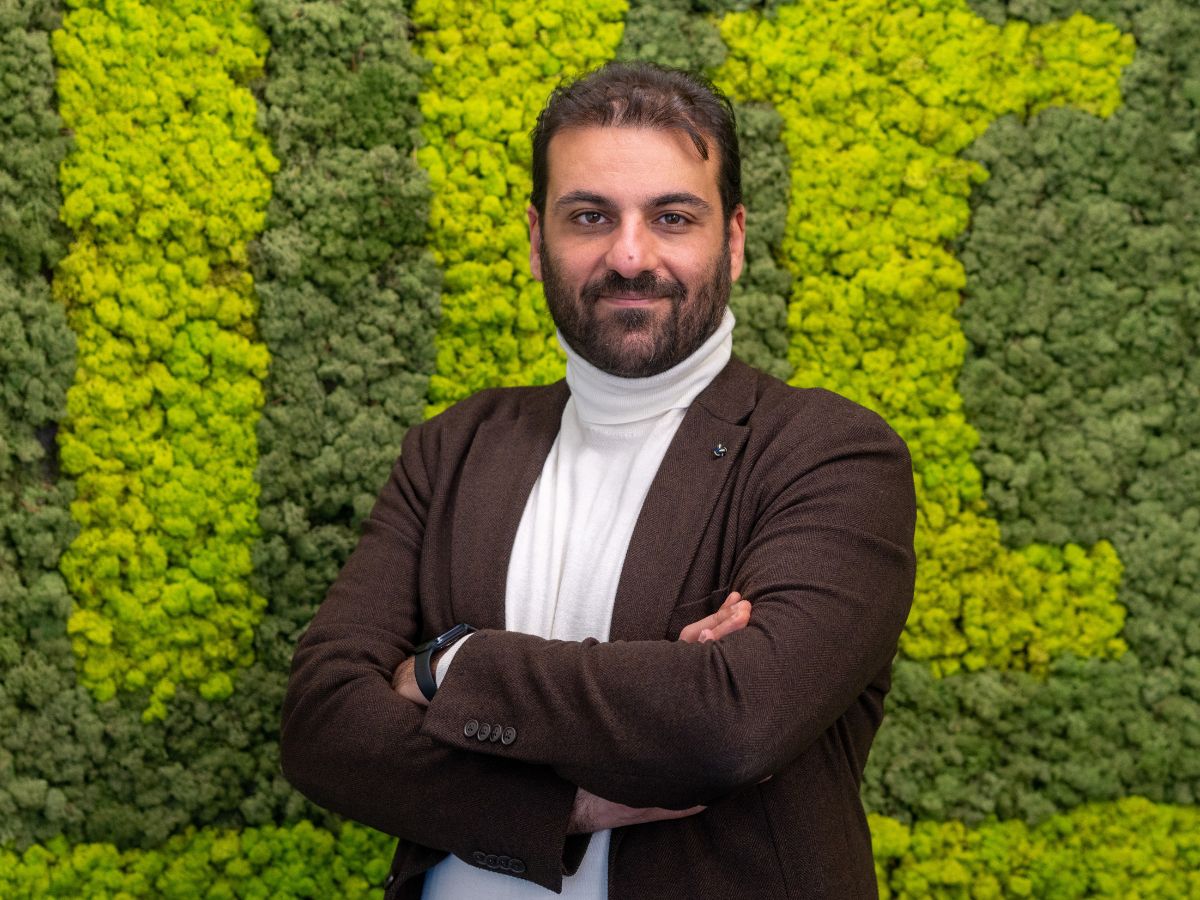
“Thanks to its unique combination of strength, durability and insulating properties, together with its natural origin, wood is a valuable ally in mitigating climate change,” said Martina Nardi, a researcher in IIT’s Smart Materials unit. “For this reason, it is essential to develop new sustainable methods that increase its workability and versatility, making it suitable for an ever-wider range of applications. Our method moves precisely in this direction: it makes it possible to bend wood sustainably and with low energy consumption, without compromising either its natural mechanical properties or its biodegradability.”
The method, which is currently the subject of a patent application, will be further studied and optimised to identify the sectors in which curved wood is most in demand, such as musical instrument production, children’s toys, furniture and interior design. The strategy developed could provide a sustainable, mild, and low energy approach for processing wood into different shapes, opening new possibilities for a new generation of designed and manufactured wood-based products.
“Rethinking renewable materials and adapting their properties to different applications, using low-impact chemicals and low-energy processes, is a concrete path towards a more sustainable future capable of meeting society’s needs,” said Athanassia Athanassiou, coordinator of the study and of IIT’s flagship programme Technologies for Sustainability. “Similar approaches are being developed within the flagship programme, which brings together diverse expertise across the Institute to develop sustainable technologies and turn them into concrete solutions for society and the market.”.