Velia Siciliano, Principal Investigator at Italian Institute of Technology (IIT) in Naples, has developed a new method to enhance T-cell-based therapies against melanoma and breast cancer
A genetic switch that activates immune cells as they fight tumours: this is the new strategy developed by an international research team coordinated by Velia Siciliano at the Istituto Italiano di Tecnologia (IIT – Italian Institute of Technology) in Naples and described in the scientific journal Nature Communications. The study marks another step towards engineering precise and more effective synthetic immunotherapies against solid tumours, such as melanoma and breast cancer.
The international collaboration brings together Siciliano’s group at IIT in Naples, the University of Edinburgh and the Leibniz Institute for Immunotherapy (LIT) in Regensburg, combining complementary expertise in synthetic biology, immunology and artificial intelligence.
T-cell-based immunotherapies are among the most promising strategies against cancer, but researchers are working to precisely control their activity and long-term effectiveness once they are circulating in the body. Cancer cells can be highly resistant, weakening the action of T cells.
Supported by the European Research Council (ERC) and the Fondo Italiano per la Scienza (Italian Science Fund) of the Italian Ministry of University and Research (MUR), Velia Siciliano’s research aims to enhance genetically modified T cells, known as CAR-T cells, through synthetic biology circuits that give immune cells specific properties. In this latest study, Siciliano and her team have developed a new technology that introduces a switch into CAR-T cells, controlling the activation of therapeutic genes only when the cells receive specific biological signals from cancer cells.
“Synthetic biology allows us to modify immune cells to make them more effective. In this study, we added a kind of switch that turns T cells on and off like light bulbs when they come into contact with cancer cells, activating programmes that support their action. When the tumour is no longer present, these switches turn off, preventing side effects,” explains Velia Siciliano, head of the Synthetic and Systems Biology for Biomedicine laboratory at IIT’s centre in Naples.
The switch consists of short stretches of DNA, known as synthetic promoters, that control the activation of an added gene when a T cell is near a cancer cell. CAR-T cells can recognise tumour antigens, triggering the switch, which in turn activates the added gene.
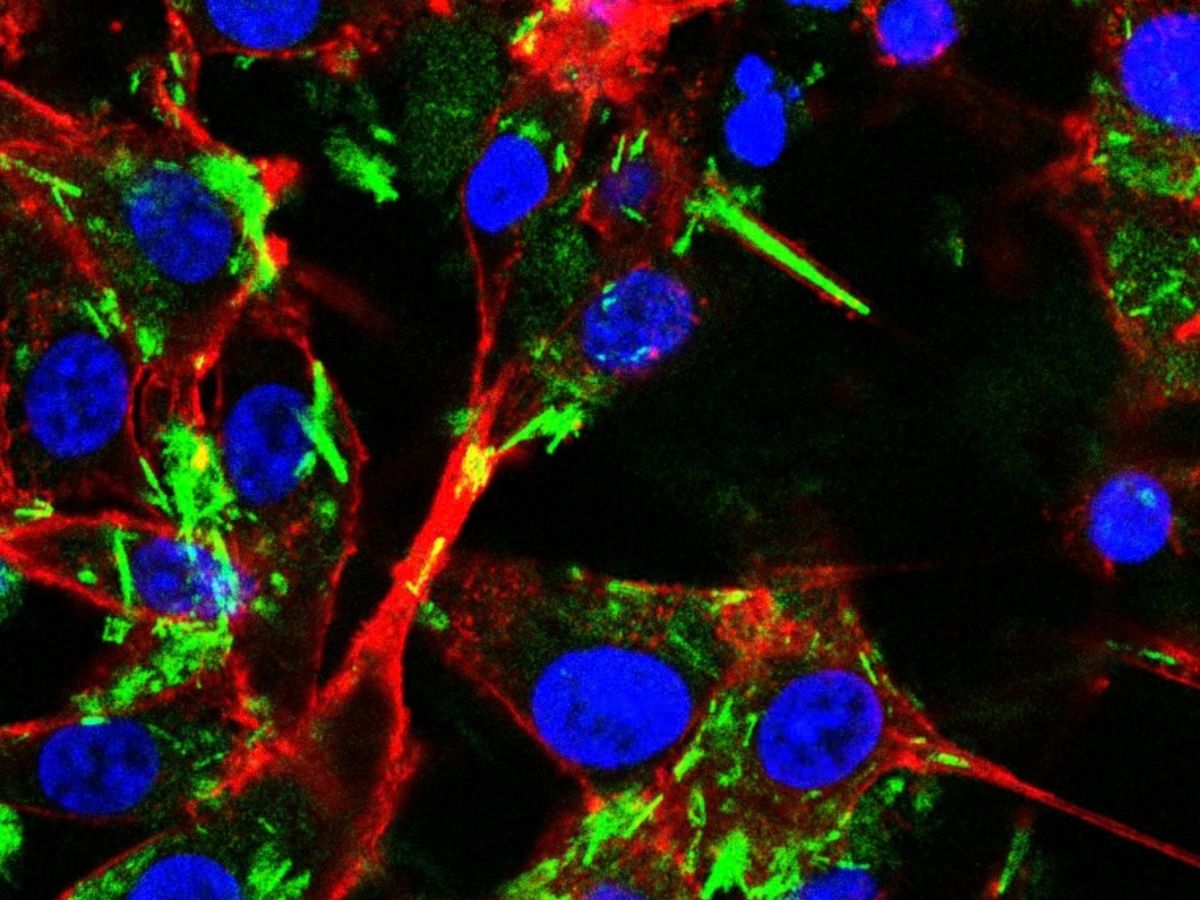
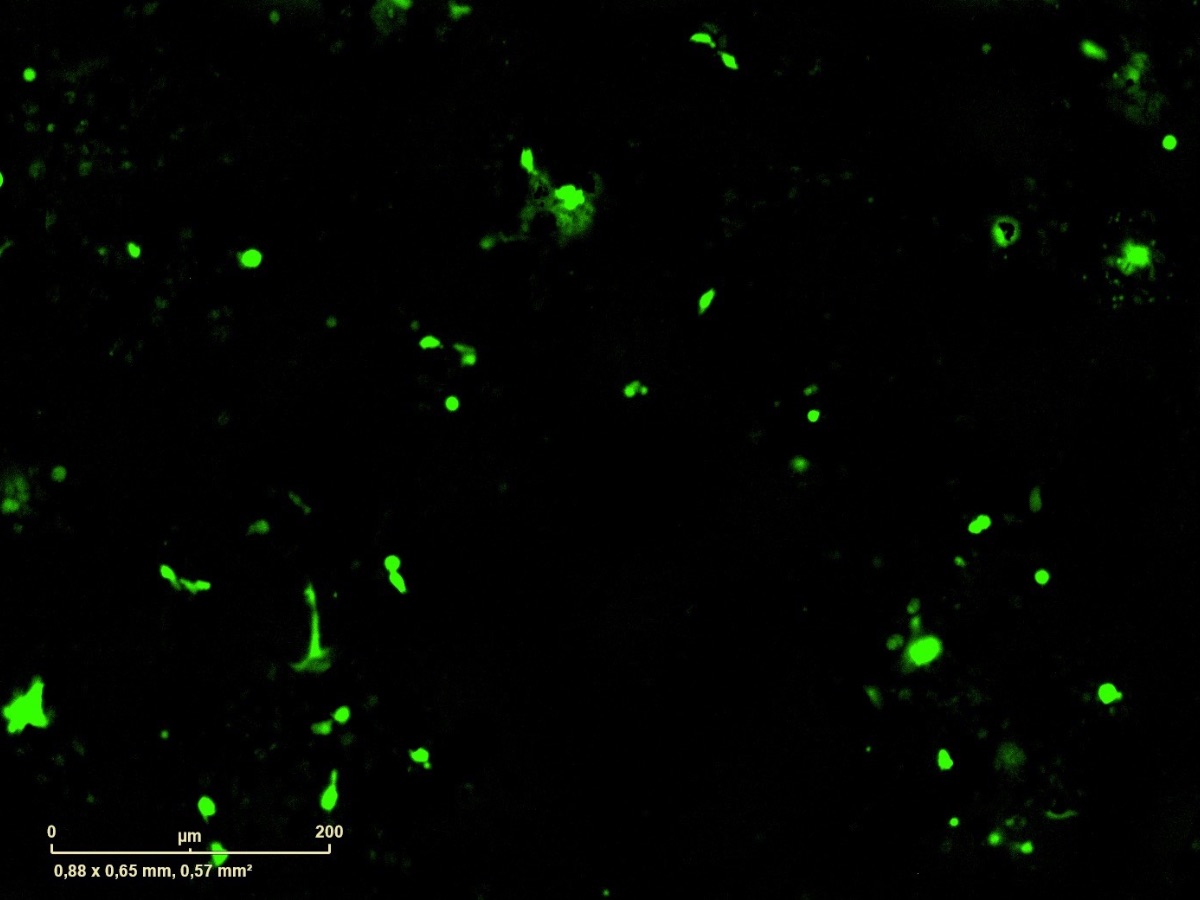
To test how it worked, the researchers connected one of these switches to a gene that produces a fluorescent protein. By observing the light emitted, they were able to track the switch turning on, off and on again.
In the future, instead of a fluorescent protein, the switch could be linked to the production of a therapeutic substance, allowing its release to be controlled in response to the cell’s state. This approach will enable researchers to design cells that release therapeutic molecules only when they are needed, reducing the risk of side effects and increasing the effectiveness of therapies. The technology is ready for testing in collaboration with clinical immunologists.
Link to publication: A modular synthetic promoter toolkit for programmable gene control in activated and chronically stimulated T cells: https://doi.org/10.1038/s41467-026-77730-7